A recent Instagram post by basketball player Rudy Gobert sparked plenty of debate. The question was simple: should someone his height (7’1″ / 2.16 m) be doing squats?
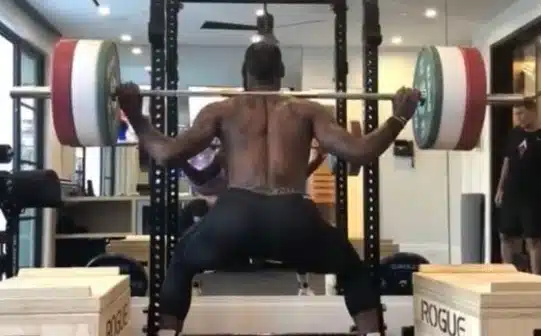
Let’s take a closer look.
What Are the Benefits of Squats?
Squats are one of the most effective and versatile exercises for building strength in your legs, glutes, and back. Here are the main benefits:
- Muscle Strength Squats work multiple muscle groups at once — quads, hamstrings, glutes, core, and back. Done consistently, they build strength and endurance throughout the lower body and trunk.
- Better Posture By strengthening the back and core, squats help improve posture and reduce tension in the shoulders and neck.
- Increased Bone Density As a resistance exercise, squats stimulate bone growth and can help reduce the risk of fractures and osteoporosis.
- Improved Mobility Squats enhance flexibility in the hips, knees, and ankles, which lowers injury risk in other physical activities.
- Greater Calorie Burn Because they recruit large muscle groups, squats are metabolically demanding. They burn calories and help boost overall metabolism.
- Enhanced Athletic Performance Squats mirror everyday movements like standing, lifting, and carrying. Regular practice improves strength, endurance, and coordination for complex athletic tasks.
In short: squats are a cornerstone exercise for building muscle, improving posture, increasing bone density, and burning calories. Adding them to your training program can significantly improve overall fitness.
Who Are the Best Tall Squatters?
A few tall athletes known for exceptional squat strength:
- Hafthor Bjornsson (6’9″ / 2.06 m), also known as “The Mountain” from Game of Thrones, squatted 445 kg (981 lbs) in competition in 2020.
- Don Reinhoudt, four-time world champion in the super heavyweight category (1973–1976) and 1979 World’s Strongest Man, was one of the few athletes to squat 424 kg (935 lbs) raw.
- Brian Shaw (6’8″ / 2.03 m) has squatted 410 kg (904 lbs).
Being tall clearly doesn’t mean you can’t squat heavy.
Why Is Squatting Harder When You’re Tall?
For taller lifters, squats present a few specific challenges:
- Body Proportions Longer legs mean a longer range of motion. Tall lifters must travel farther to reach full depth, which affects balance and stability.
- Joint Mobility Taller individuals often struggle with ankle, knee, or hip mobility. Limited ankle mobility in particular can prevent safely reaching full depth.
- Equipment Limitations Most squat racks and bars are designed for average-height users. Tall lifters may need awkward adjustments to fit standard equipment.
- Injury Risk Longer levers increase joint stress under load, making proper technique and equipment setup especially important.
In short, tall people can face real challenges when it comes to squatting, and it all comes down to body proportions, joint mobility, available range of motion, and a higher risk of injury.
Long limbs simply aren’t built for a movement like the squat. At the same depth, taller individuals need far greater angles at their three key joints: ankles, knees, and hips. And that’s precisely where things tend to break down, your joint mobility.
It’s physically impossible for a tall person to perform a full-depth traditional squat without the necessary mobility, especially at the ankles. If you can’t sink into a deep squat without throwing your arms out for balance, you’re not ready for the full movement.
Your body structure plays a role too. If your limbs are proportionally longer than your torso, you’re already starting at a disadvantage.
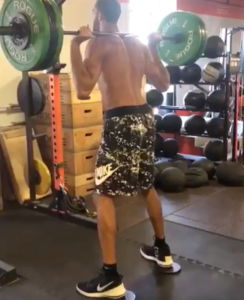
So What Should Tall Lifters Do?
Since the squat is a foundational movement, it makes more sense to address your weak points than to avoid it altogether. Here are practical strategies:
1. Improve Ankle Mobility Regular deep squat holds, duck walks, and full-range ankle rotations can significantly improve mobility over time. Consistency is key.
2. Try Half Squats Stopping when the femur is parallel to the ground reduces depth demands but increases knee stress. Both full and half squats have their place. For less flexible tall lifters who want to load heavier safely, this can be a viable option — just keep your stance wide enough to avoid excessive forward lean.
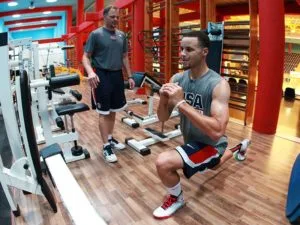
3. Reverse Lunges A great alternative that targets similar muscle groups. Since many athletic movements happen one leg at a time, lunges offer strong real-world carryover.
4. Goblet Squats Hold a kettlebell or dumbbell at chest height. This variation promotes a more upright torso and helps refine technique. Use a slightly wider stance when holding the weight with both hands in front.
5. Air Squats Beginners should start with bodyweight squats to build mobility and foundational strength. If full depth is too demanding, go halfway and gradually increase range before adding weight.
6. Smith Machine Squats The guided bar path offers added safety and makes it easier to rack at any point, especially useful for heavier loads.
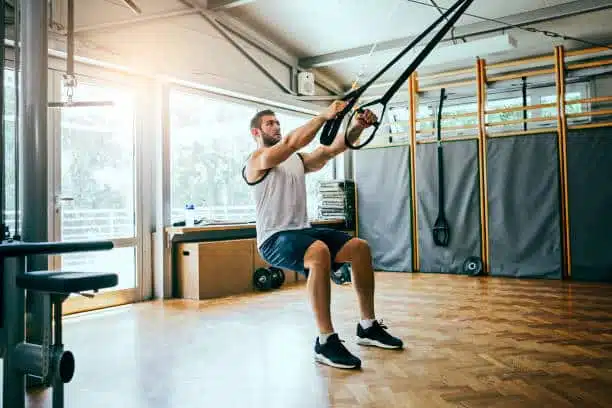
7. TRX or Strap-Assisted Squats Suspension straps reduce load and help adjust body angle. Great for beginners, and easily progressed with a weighted vest or single-leg variations.
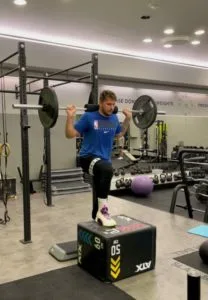
8. Step-Ups Stepping onto a box or platform builds strength, balance, and real-world functionality.
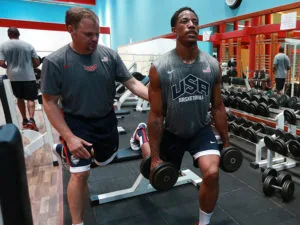
9. Bulgarian Split Squats One of the best exercises for quads, glutes, and back. Can be done with bodyweight, dumbbells, or a barbell.
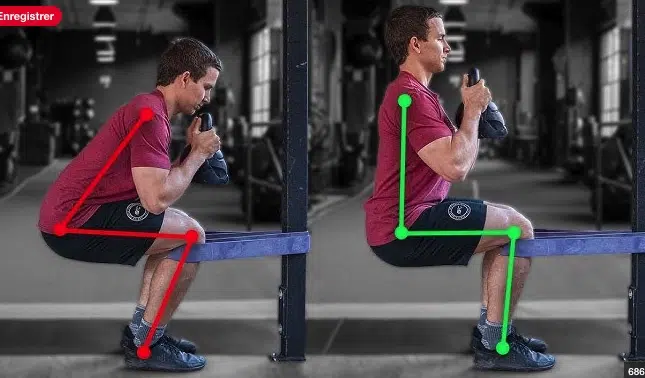
10. Spanish Squats Using bands or straps to hold the knees forward allows a more upright torso while emphasizing the quads and reducing back strain.
11. Other Adjustments Worth Exploring Wall squats with a Swiss ball, heel wedges or lifting shoes to improve ankle angle, and a wider stance with toes turned outward are all worth experimenting with. Plenty of specialized resources and videos address tall lifters specifically.
You will find many other solutions in the following videos: